
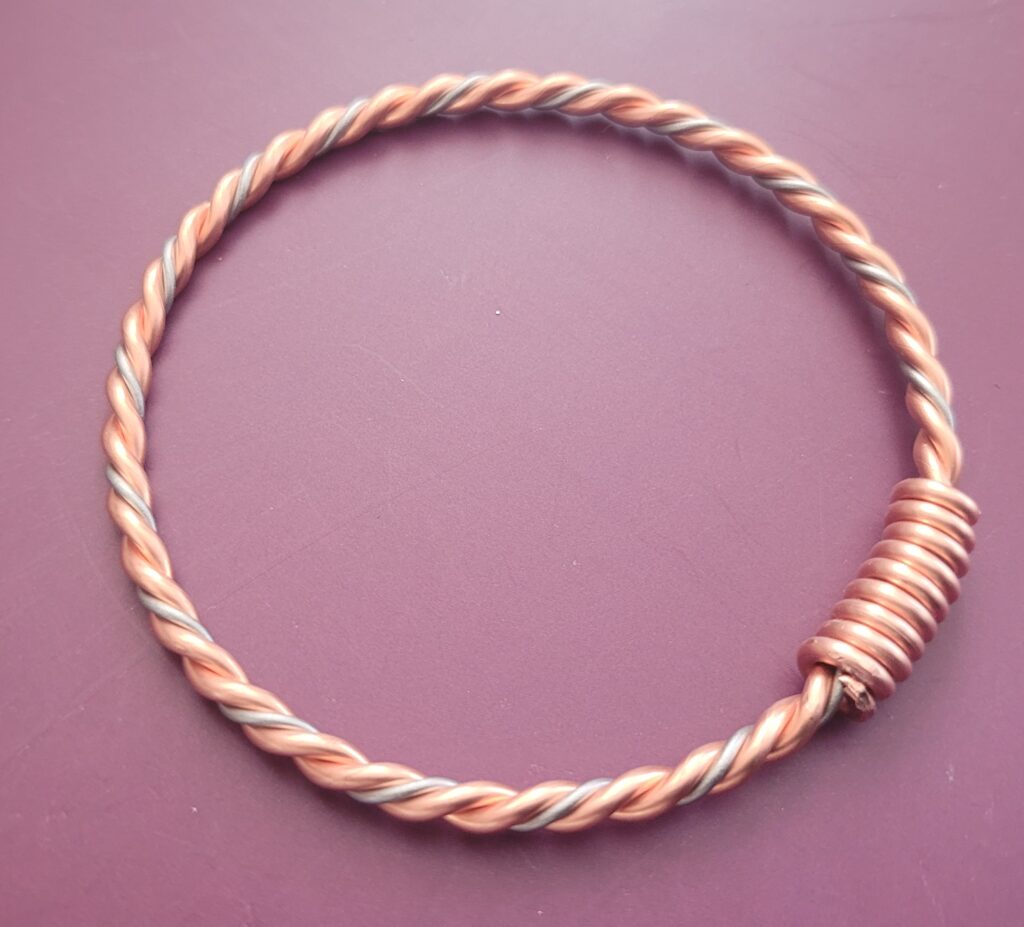


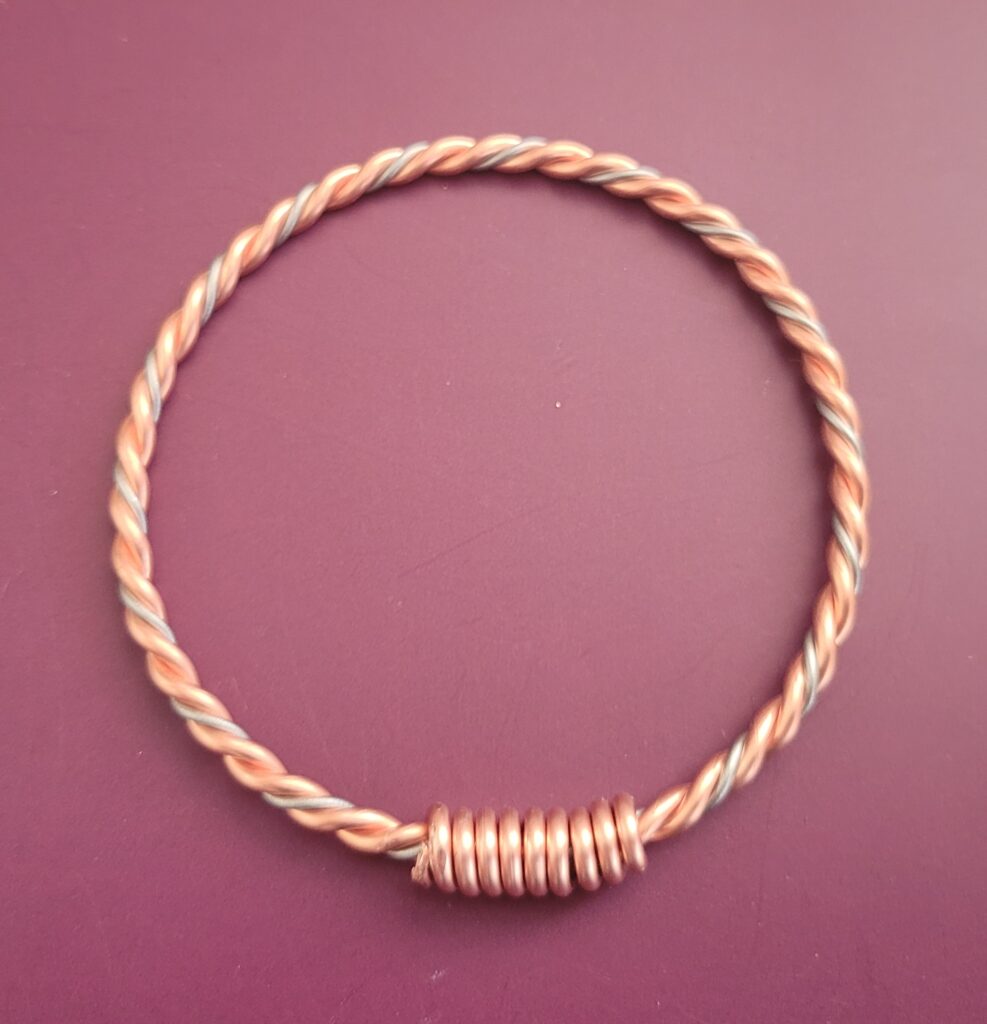
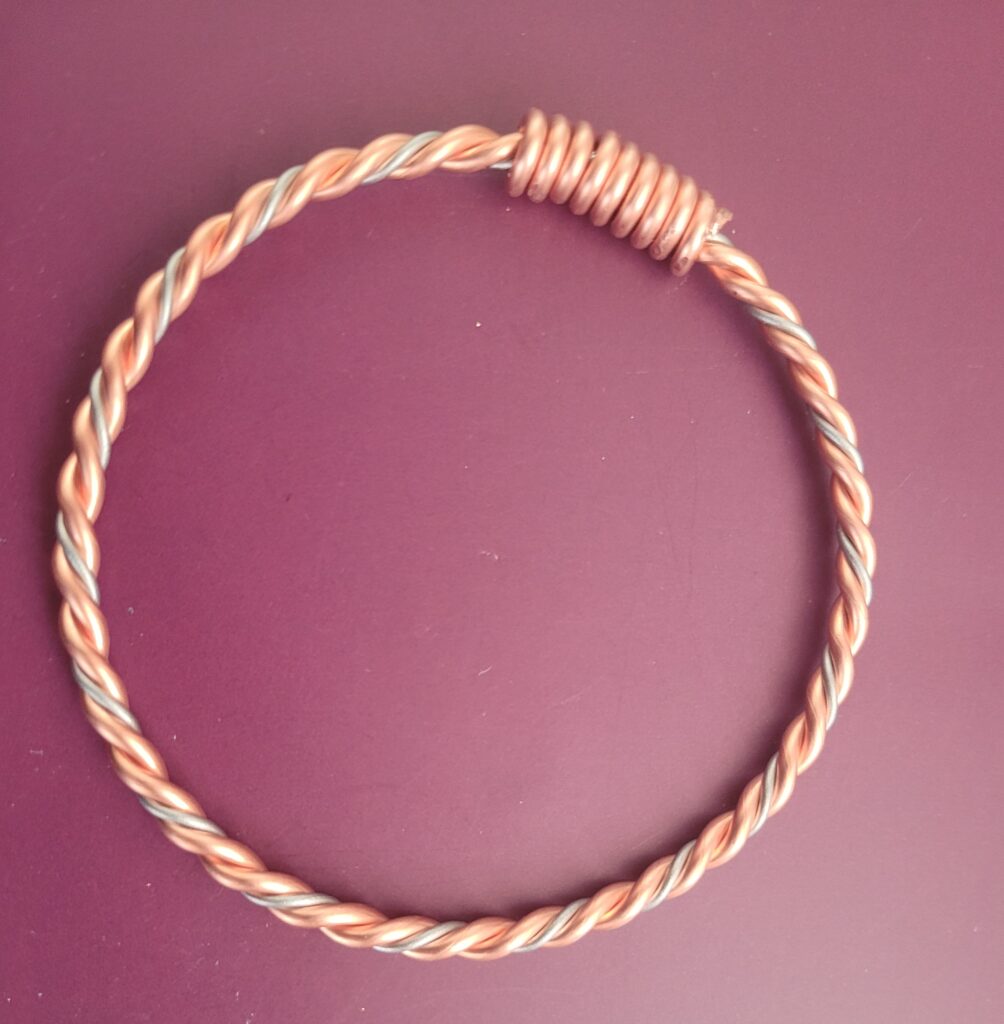
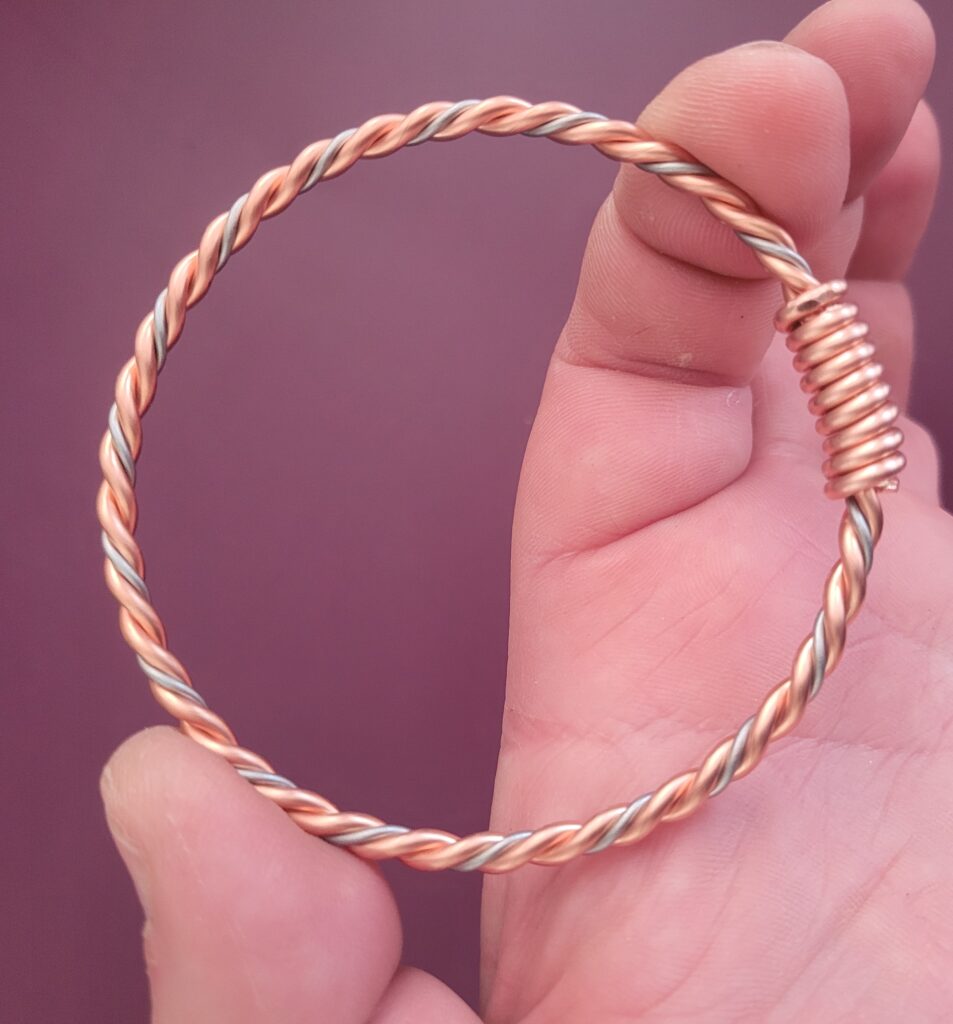
Combining copper and zinc in a tensor configuration creates a fascinating interplay between two metals that have long been associated with conductivity, balance, and energetic interaction. From both a practical and conceptual perspective, this pairing offers unique advantages that can enhance the overall effectiveness of your handcrafted designs.
Copper is widely known for its excellent electrical conductivity and its ability to transmit energy efficiently. In tensor configurations—where wires are twisted and shaped into continuous loops—copper is believed to support the smooth flow of energy, helping to create a coherent and stable field. Zinc, on the other hand, brings complementary qualities. It is slightly less conductive but has distinct electrochemical properties that make it an ideal partner to copper.
When copper and zinc are combined, they naturally form a subtle galvanic relationship. This is similar in principle to what occurs in a battery, where two dissimilar metals create a potential difference. In a tensor configuration, this pairing may enhance microcurrents along the wire, potentially increasing the dynamic nature of the energy field being generated. Many enthusiasts believe this interaction helps to amplify the “charging” or “vitalizing” effect of tensor rings, especially when used around water, food, or electronic devices.
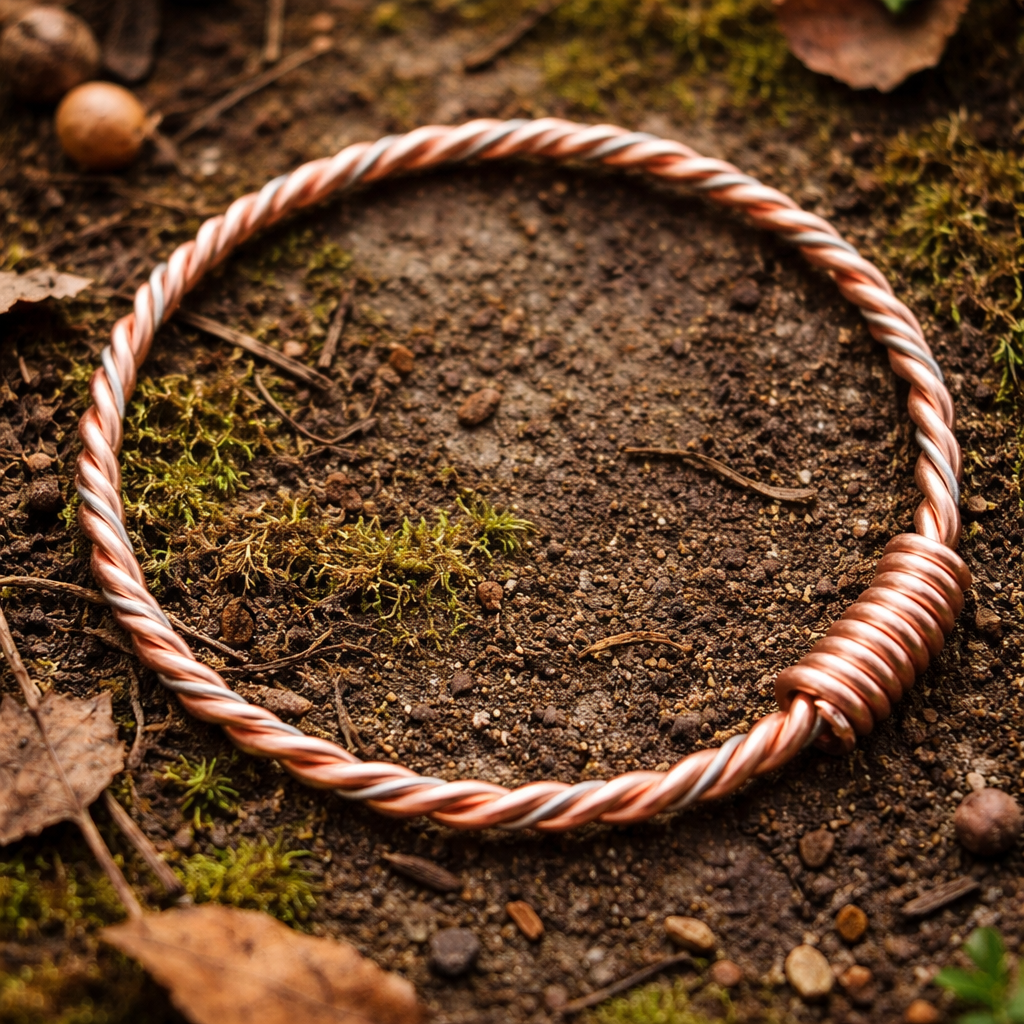
Another perceived benefit is balance. Copper is often associated with warmth, amplification, and outward energy flow, while zinc is thought to bring grounding, stabilization, and protective qualities. Together, they may create a more harmonized field—one that is both energizing and stabilizing at the same time. This balance can be particularly appealing in meditation tools, wearable items like bracelets, or environmental harmonizers placed in living spaces.
Structurally, combining copper and zinc in a twisted tensor design also increases durability and resilience. The two metals can complement each other mechanically, helping the piece maintain its shape and tension over time. This is especially useful in wearable designs where flexibility and strength are both important.
From a creative and aesthetic perspective, the contrast between copper’s warm reddish tones and zinc’s cooler silvery appearance produces a visually striking piece. This not only enhances the perceived value of the item but also reinforces the idea of duality and balance—an important theme in many energy-based practices.
While scientific validation of energetic effects remains limited, the combination of copper and zinc in tensor configurations continues to be appreciated by makers and users alike for its unique blend of physical, aesthetic, and conceptual benefits.